
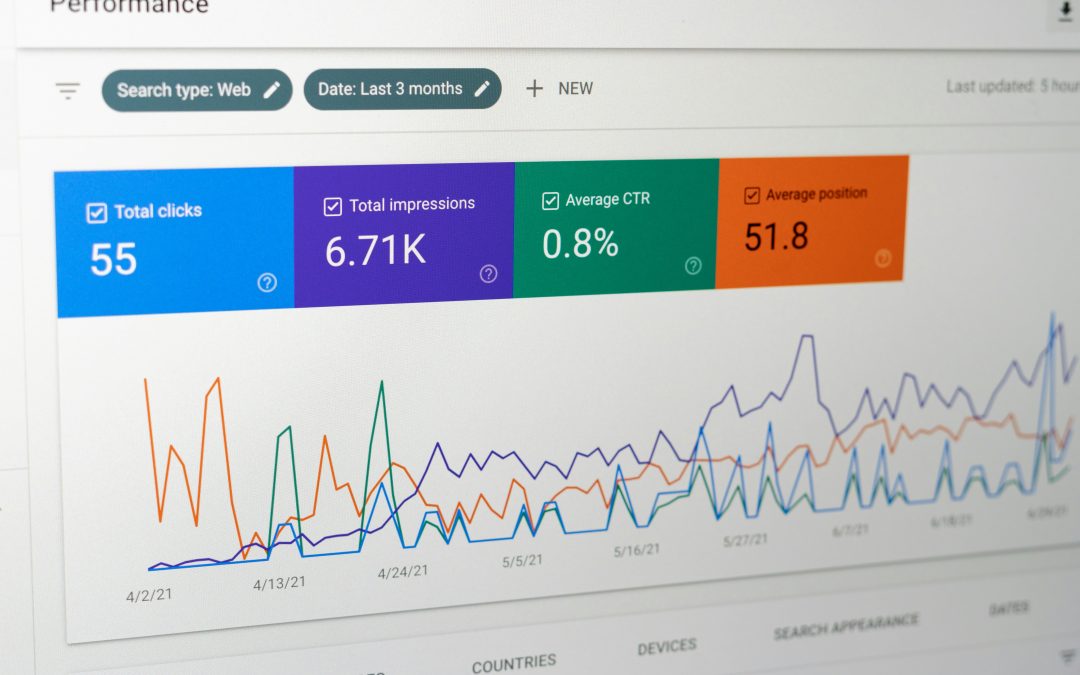
Google Search Console is beginning to reveal something that many SEO professionals may not have expected: fragments of conversations people have with AI can appear as search queries in their performance data.
Queries such as “yes”, “yes go on” and “what about Gemini” may look meaningless when viewed as traditional search terms. However, they can actually be follow-up messages from users interacting with Google’s AI features.
This gives website owners a new way to understand how their content is being used in AI-powered search, although the data comes with some important limitations.
Why AI Conversations Appear in Search Console
Google has confirmed that follow-up questions and responses within AI Mode can be treated as new searches.
For example, someone might ask Google AI a question about email marketing tools. After receiving an answer, they could respond with “what about Resend?” If a website is then included in the AI response, that follow-up can appear in Search Console as a query.
This means the Search Console performance report can contain a mixture of traditional searches and fragments from AI conversations.
A query such as “yes” would make very little sense as a normal search term. However, it makes much more sense if it is a response to something an AI assistant has just said.
Seven Types of AI-Related Queries
Analysis of Search Console data has identified several different types of queries that can indicate AI conversations or automated activity.
These include simple replies such as “yes” or “sure”, follow-up questions such as “what about Gemini?”, and conversational questions that appear to be directed towards an assistant.
There are also queries that appear to come from AI tracking tools. These can include highly specific prompts that are repeatedly run to check how businesses or websites appear in AI results.
Another category involves automated AI agents, where an entire instruction or prompt can potentially be recorded as a search query.
There are also pasted strings, such as error messages or spreadsheet headings, which may have been submitted by people or automated systems.
The final category consists of unusually long queries that do not clearly fit into any of the other groups and may need to be reviewed manually.
Why This Matters for SEO
At first glance, these unusual queries may simply look like noise in Search Console. However, they could provide useful clues about how people are interacting with AI search and how websites are being used within those conversations.
For example, a query such as “what about [another brand]?” could show that a user is comparing different businesses, products or services after receiving an initial AI recommendation.
Similarly, conversational questions can reveal the type of information people want AI to find from a website.
This could help content creators identify gaps that may not appear in traditional keyword research.
Instead of simply asking which keywords have search volume, SEO teams may increasingly need to consider how people phrase questions when speaking to AI assistants.
Not Every Long Query Is an AI Query
There is an important distinction to make here.
Long-tail searches have existed for years, so a long or conversational-looking query does not automatically mean someone was speaking to an AI assistant.
The stronger clues are phrases that appear to be directed at another party.
For example:
- “Can you explain this?”
- “What about this option?”
- “Is it free?”
- “Please show me”
- “How do I do that?”
These phrases make more sense as part of an ongoing conversation than as standalone searches.
Repetition can also provide a useful clue. Traditional search queries can be repeated hundreds or thousands of times, while individual AI follow-up questions are much less likely to be identical.
Search Console Still Has Gaps
While these queries offer an interesting glimpse into AI search behaviour, they only represent part of the picture.
Google’s Generative AI performance report provides information about how often pages appear in AI Overviews and AI Mode, including impressions by page, country, device and date.
However, it does not currently provide the individual queries responsible for those impressions.
This means SEO professionals cannot yet see the complete conversation behind every AI impression.
A large proportion of queries are also anonymised, particularly when they are rare. As a result, the unusual AI-related queries appearing in Search Console should be treated as a sample rather than a complete record of AI activity.
AI Tracking Tools May Also Be Appearing
One particularly interesting aspect is that not every unusual query necessarily comes from a potential customer.
Some may be generated by AI visibility and rank-tracking platforms that regularly test websites against specific prompts.
For businesses already using AI visibility tools, Search Console could therefore provide an unexpected way of checking the types of questions those tools are sending.
It also highlights how much automated activity is now taking place around AI search.
What Businesses Should Do
SEO teams should not start optimising pages specifically for queries such as “yes” or “sure”.
Instead, these unusual Search Console queries should be treated as additional signals that help explain how content is being discovered and used in AI-powered search.
If conversational questions repeatedly appear around a particular topic, it may be worth reviewing the relevant page and making sure it provides a clear, direct answer.
Businesses should also make sure important information is easy for search engines and AI systems to understand, including services, pricing, opening hours, locations and other key details.
AI Search Is Changing How We Measure Visibility
The appearance of AI conversation fragments in Search Console is another sign that traditional search reporting is becoming harder to interpret.
A query in Search Console no longer necessarily means that someone typed those exact words into a Google search box.
It could represent a traditional search, an AI follow-up, an automated tracking prompt or part of an interaction with an AI agent.
For SEO professionals, the key takeaway is simple: Search Console data needs to be viewed in the context of how search itself is changing.
As AI becomes a bigger part of the search journey, understanding these new signals could become just as important as tracking traditional rankings and keywords.
More Digital Marketing BLOGS here:
Local SEO 2024 – How To Get More Local Business Calls
3 Strategies To Grow Your Business
Is Google Effective for Lead Generation?
How To Get More Customers On Facebook Without Spending Money
How Do I Get Clients Fast On Facebook?
How Do You Use Retargeting In Marketing?
How To Get Clients From Facebook Groups